









Forgiveness is often misunderstood. Many see it as surrender, as weakness, as letting others “get away” with wrongdoing. But history—and spirituality—tell a very different story. True forgiveness is not fragile. It is powerful. It liberates the heart long before it changes the world.
Few lives illustrate this truth as vividly as that of Nelson Mandela.
Freedom Beyond Prison Walls
Leaving Bitterness Behind
After enduring 27 years of imprisonment, Nelson Mandela stepped out of captivity carrying something far more significant than political authority—inner freedom. He understood that resentment could imprison him longer than iron bars ever had.
“As I walked out the door toward the gate that would lead to my freedom,
I knew if I didn’t leave my bitterness and hatred behind, I’d still be in prison.”
This was not denial of suffering. It was mastery over it.
Mandela recognized that anger binds the victim as tightly as the oppressor. Forgiveness, on the other hand, breaks the chain.
A Victory of the Human Spirit
Mandela’s rise as South Africa’s first Black president was not merely a political milestone—it was a moral one. His leadership replaced vengeance with reconciliation, proving that unity is born not from force, but from forgiveness.
“Forgiveness did not erase the past—it redeemed the future.”
His choice transformed a wounded nation and inspired the world.
Forgiveness in the Swaminarayan Tradition
Tolerance as True Greatness
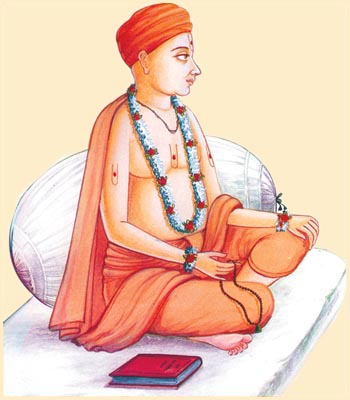
This same principle is deeply rooted in the teachings of Bhagwan Swaminarayan. He taught that true greatness is revealed not in power or status, but in the ability to tolerate insults—even from those considered insignificant.
To forgive is not to ignore injustice. It is to rise above ego.
“Greatness is measured by how much bitterness you can release.”
In the Swaminarayan path, tolerance purifies the heart, and forgiveness lightens the soul. Anger binds us to the very pain we wish to escape.
The Inner Battlefield
Where Forgiveness Truly Begins
This message is not meant only for saints and statesmen. It is deeply personal.
Each of us carries quiet resentments:
- A harsh word we replay again and again
- A betrayal we refuse to release
- A wound that feeds pride instead of peace
The real question is not who wronged us, but what we allow that wrong to become inside us.
“Holding a grudge is like drinking poison and expecting someone else to suffer.”
Choosing Tolerance Over Pride
Forgiveness demands humility. It asks us to let go of the need to be right, to be justified, to be superior. But in return, it gives something priceless—peace.
When we choose tolerance over anger and forgiveness over pride, we free ourselves first.
Liberation Through Forgiveness
Breaking the Chains Within
Mandela walked out of a physical prison by first escaping an inner one. Bhagwan Swaminarayan teaches the same liberation—freedom from ego, resentment, and hatred.
“The heart that forgives is lighter.
The soul that forgives is freer.”
Forgiveness does not change the past. But it transforms how the past lives within us.
Conclusion: The Courage to Forgive
Forgiveness is not weakness. It is one of the bravest choices a human being can make.
It takes courage to release resentment.
It takes strength to tolerate insult.
It takes wisdom to choose peace over pride.
Nelson Mandela showed us that forgiveness can heal nations. Bhagwan Swaminarayan reminds us that forgiveness purifies the soul.
The question now turns inward:
Are we ready to let go?
Are we ready to forgive?
Because the moment we choose forgiveness, we don’t just move toward greatness—
We step into freedom.
To know more about Bhagwan Swaminarayan: https://www.baps.org/About-BAPS/TheFounder%E2%80%93BhagwanSwaminarayan.aspx
Vachanamrut Study App: thesatsanglife.com/vachanamrut
Anirdesh Gadhada Section 1, Number 27: https://anirdesh.com/vachanamrut/index.php?format=en&vachno=27
+ There are no comments
Add yours