









Have you ever felt an intense urge for something—only to wonder, moments later, why it mattered at all? That brief gap between desire and regret reveals something profound about our inner world. For BAPS Swaminarayan devotees, this struggle is not new. Saints have spoken about it with striking clarity, reminding us that spiritual life begins when we understand the nature of the mind and senses—and choose not to be ruled by them.
This reflection draws inspiration from the timeless wisdom of Gunatitanand Swami, whose insights cut straight to the heart of our daily spiritual challenges.
The Restless Nature of the Mind and Senses
How Desires Arise Without Warning
The mind and senses have a peculiar habit: they provoke desires without any real reason. One moment there is calm, and the next, a craving appears out of nowhere. It wasn’t planned. It wasn’t necessary. Yet it suddenly feels urgent.
Gunatitanand Swami explains that this is simply the nature of the mind. It is restless, easily stirred, and constantly looking outward for satisfaction. When paired with the senses, it creates attractions that feel real—but often fade just as quickly as they arise.
The Illusion We Keep Chasing
When we follow these impulses blindly, we fall into a repetitive cycle: desire, pursuit, disappointment, and then another desire. We end up chasing illusions again and again, mistaking momentary urges for lasting fulfillment.
“The mind and senses have a habit of provoking desires without any reason.”
Recognizing this pattern is the first step toward spiritual maturity.
From Being a Player to Becoming the Master
Seeing the Mind’s Game
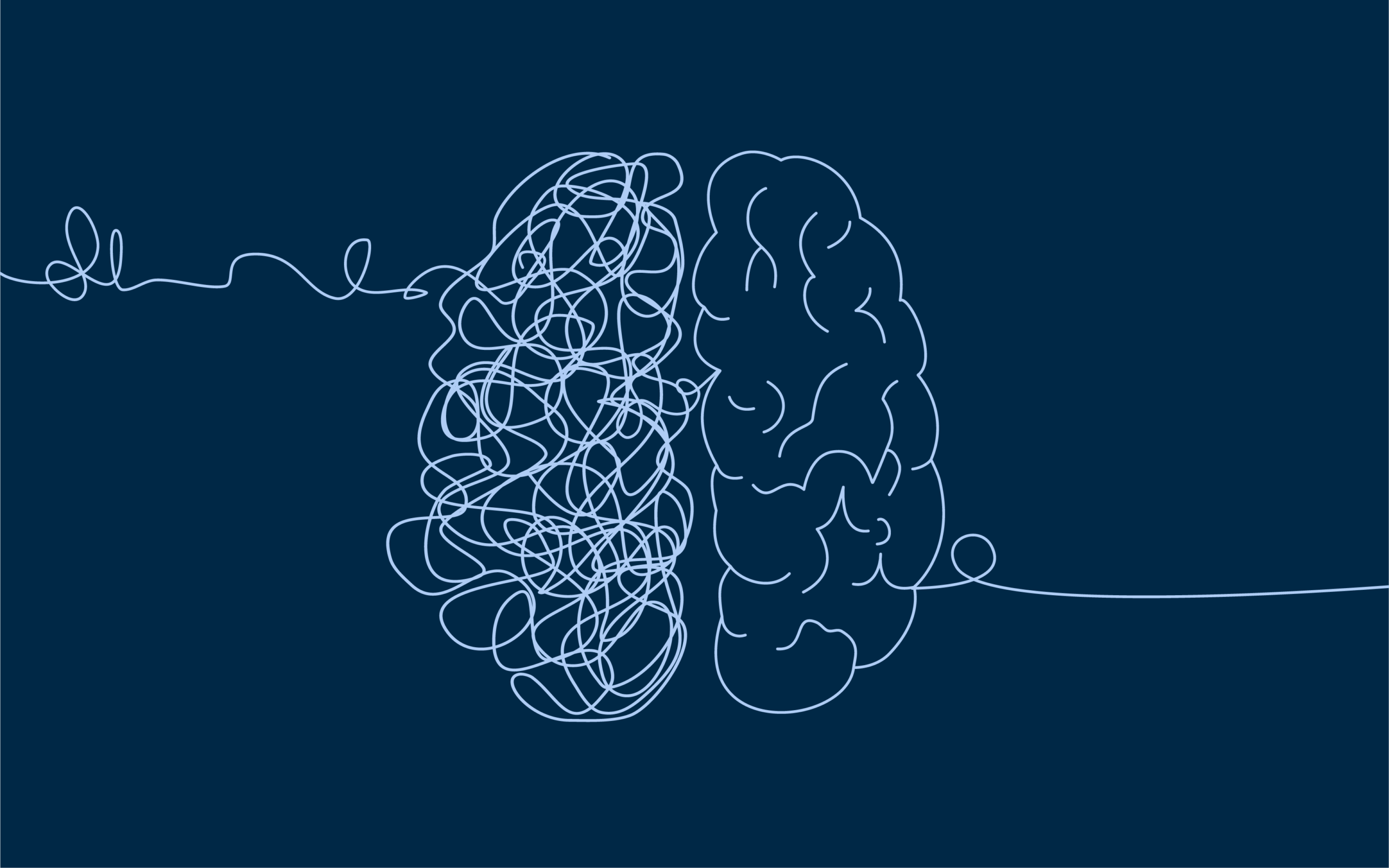
The real turning point comes when we notice what is happening. The moment we observe the mind instead of obeying it, something shifts. We stop being dragged along by every impulse and begin to stand apart as witnesses.
This awareness transforms our role. We are no longer players caught in the game of cravings—we become masters who understand the rules.
“The moment we notice the game, we stop being players and start becoming masters.”
Choosing Detachment, Not Suppression
Stepping back does not mean forcefully suppressing desires or fighting the mind. It means understanding that we are not the mind. We are the atma—separate, steady, and capable of choosing a higher response.
Detachment is not indifference; it is clarity.
Freedom Begins with Spiritual Awareness
You Are Not Your Urges
One of the most liberating realizations in spiritual life is this: urges arise, but they are not who you are. They come and go, like waves on the surface of water. When we identify with them, they control us. When we observe them, they lose their power.
“Don’t let your mind drag you around—learn to step back.”
This simple practice of stepping back creates inner space, where peace and discernment can grow.
Living with Inner Stability
As devotees, our goal is not just moral restraint but inner freedom. By remaining separate from the mind and senses—as Gunatitanand Swami advises—we cultivate steadiness, vairagya, and deeper bhakti.
“Freedom begins the moment you realize you are not your urges.”
Conclusion: Walking the Path of Inner Freedom
The mind will continue to play tricks. The senses will continue to stir cravings. That is their nature. But our spiritual journey depends on whether we follow them—or understand them.
By recognizing the mind’s patterns, stepping back with awareness, and remembering our true identity as the atma, we move from illusion to insight, from restlessness to freedom. This is not just philosophy; it is daily practice.
And in that practice lies a quiet but powerful victory—the joy of living as the master within, not the servant of fleeting desires.
To know more about Gunatitanand Swami: https://www.baps.org/About-BAPS/TheFounder%E2%80%93BhagwanSwaminarayan/TheSpiritualLineage-TheGuruParampara/GunatitanandSwami.aspx
Swamini Vato Study App: thesatsanglife.com/vato



+ There are no comments
Add yours